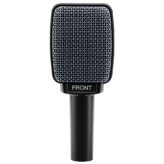
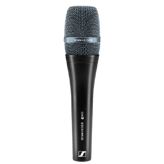
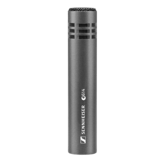
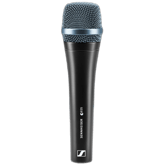
Blue Bluebird Reviews: See Why 0 Shoppers Rated It 0 Stars!
From guitarists to DJs, 0 Soundfindr users reviewed the Blue Bluebird microphone. Check their takes on these Blue Microphones microphones and decide for yourself.
 Supermod
  Moderator
 Recaptor
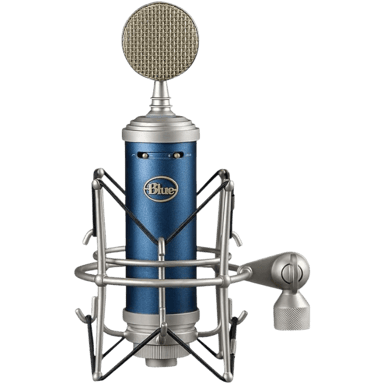
 Blue Bluebird Microphone Review: A Classic Condenser Choice for Studio and Broadcast
When it comes to recording microphones designed for professional environments, the Blue Bluebird stands out as a dependable, well-built option. Initially released in 2002 by Blue Microphones, this Bluebird model has carved a niche in studios, podcasts, live broadcasts, and even gaming setups globally.
Offering a cardioid polar pattern and a large diaphragm condenser capsule, it is tailored to capture detailed vocal recordings with clarity. With its robust design and solid audio specs on paper, it positions itself as a serious contender for users needing quality without unnecessary extras.
Detailed Specs & Features That Define the Bluebird
Based on its engineering data, the Blue Bluebird is a large diaphragm condenser microphone with a capsule diameter of 1.34 inches, designed primarily for studio and broadcast applications. It operates on a 48V phantom power requirement, delivered through a wired XLR connection, which guarantees professional audio fidelity and stable power delivery.
The microphone's frequency response spans from 20 Hz to 20,000 Hz, capturing a wide range of sounds from deep lows to crisp highs; ideal for voice and a variety of instruments. In terms of directionality, the cardioid pattern provides excellent voice isolation, minimizing ambient noise and feedback, which is crucial for clean recordings in less-than-perfect environments.
Its transformerless design promises crystal-clear audio with minimal coloration and distortion. Specs also point to a dynamic range of 130 dB and a maximum sound pressure level (SPL) of 138 dB, indicating it can handle loud sources without distortion. The microphone includes an internal shock mount and a pop filter for added protection against mechanical vibrations and plosives, further enhancing recording quality.
User Experience & Performance: What to Expect
Design & Build
The Bluebird boasts a durable alloy body finished with a matte coating, giving it an elegant yet discreet aesthetic. Its handheld form factor, measuring 8.74 inches in height and weighing just under 17 ounces, makes it comfortable for both stationary and mobile uses.
Unlike some modern mics, it doesn't offer a detachable mount or adjustable arm but includes a fixed 5/8-inch mounting thread compatible with most stands. The inclusion of an internal felt dampening material reduces unwanted vibrations, which shows attention to mechanical noise isolation. Though lacking water or dust resistance, this mic excels within controlled studio settings with its built-in pop filter to tame harsh consonants.
Performance
In daily use, the microphone's specifications project a professional-grade performance. Its unidirectional sound pickup means it focuses well on the speaker while rejecting noises from the rear and sides with a respectable off-axis rejection of 20 dB. Its internal preamp quality is studio-grade, making the Bluebird a reliable choice for clear, natural-sounding recordings without additional amplification noise. While it lacks onboard gain or mute controls, so users will need to adjust these settings externally, the device thrives as a pure capture tool for voice artistry, podcasts, and broadcast duties that demand fidelity.
Audio Quality
The microphone achieves fast transient response and benefits from pressure gradient acoustic principles, allowing it to capture sharp attacks and subtle nuances alike. This is further supported by its low equivalent noise level of 7.5 dBA, implying it introduces little background hiss into recordings. Its stepped polar pattern switching precision ensures cardioid mode remains precise, which is crucial for consistent sound quality. However, its lack of modern DSP features or automatic gain adjustments means its sound shaping flexibility depends heavily on external equipment or post-processing.
Extra Features
While the Bluebird opts out of advanced extras like multi-pattern switching, onboard EQ presets, or AI noise cancellation, its simplistic design is arguably an advantage for purists who prefer raw capture without coloration. The microphone does come with essential accessories, including cables, a carrying case, an instruction manual, and a warranty card backed by a 3-year warranty. It is also certified for safety and environmental compliance, reassuring users about build quality and manufacturing standards.
Pros & Cons
Pros
- Excellent Audio Fidelity with Low Equivalent Noise Level
- Robust Build with Internal Shock Mount and Pop Filter Included
- Comprehensive Accessory Kit and 3-Year Warranty Provide Confidence
Cons
- No Onboard Controls for Gain, Mute, or Monitoring
- Lacks Advanced DSP Features and Pattern Switching for Versatility
Price & Value for Money
At around $328.11 at Amazon, the Bluebird claims a mid-to-high-end price point within the condenser microphone category. Given its 3-year warranty and professional-grade audio component, including a 48V phantom power requirement and XLR interface, the pricing feels justified for users seeking a premium yet straightforward recording microphone. Its value shines especially for podcasters, vocalists, and broadcasters who prioritize audio purity and a dependable build over bells and whistles. However, those wanting modern features like USB compatibility or onboard DSP might find it a bit basic for the cost.
Quick Take
In short, the Blue Bluebird blends classic design and dependable specs for a microphone that remains relevant nearly two decades post-release. If we look at the numbers alone, like its 130 dB dynamic range and low noise floor, it continues to hold solid ground among studio staples. It's a trusted tool for anyone who values sound accuracy and durable construction over flashy extras.
Closing Recommendation
The Bluebird may be ideal for recording professionals and serious hobbyists who want a no-nonsense microphone that reliably captures clear vocals and instruments. It appears to perform best in controlled acoustic environments, particularly for broadcast, podcast, or studio use, helping users achieve high-fidelity results with minimal fuss. While it lacks the flexibility of newer designs, it excels through well-engineered fundamentals that remain critical in audio capture.
Verdict
Rating: Based on the specifications and overall feature set, we believe Blue Bluebird deserves 4.3 out of 5.
- Winner Feature => Exceptional studio-grade sound quality and low noise performance.
- Needs Improvement => Missing modern conveniences like onboard controls and DSP versatility.
Reviews 0
The good, the bad, and the brutally honest.Average Rating


More Microphones 1229
Unlock more awesome finds.